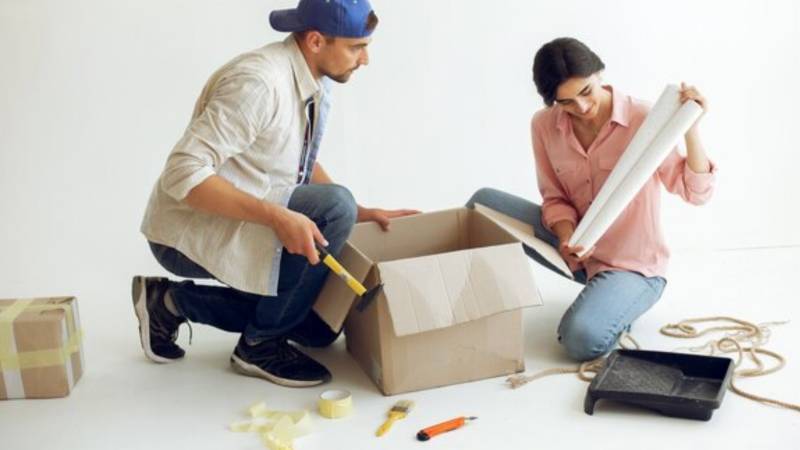
A home is one of the most important parts of everyday life. It provides comfort, safety, and a place where families can relax. However, every house needs regular attention to stay in good condition. Small problems such as leaking faucets, loose cabinet handles, damaged paint, or blocked drains may seem unimportant at first, but ignoring them can lead to bigger and more expensive repairs.
TheHometrotters HomeRepairs is a useful topic for homeowners who want to understand basic home maintenance and handle common repair tasks with confidence. With a little planning, the right tools, and regular inspections, many household problems can be managed before they become serious.
Understand Your Home’s Maintenance Needs
Every home has different maintenance requirements. Older houses may need more frequent inspections, while newer properties can also develop problems because of daily use, weather conditions, or poor installation.
Start by checking the main areas of your property. Look at walls, ceilings, floors, windows, doors, plumbing fixtures, and electrical outlets. Pay attention to unusual sounds, water stains, cracks, or areas that appear damaged.
Creating a simple maintenance list can make this process easier. Write down any problems you notice and decide which ones need immediate attention. This approach helps you stay organized and prevents small repairs from being forgotten.
Fix Small Plumbing Problems Early
Plumbing issues are among the most common household problems. A dripping faucet, running toilet, or slow drain may waste water and increase monthly utility costs.
For a dripping faucet, first identify the type of fixture and check whether a worn washer or cartridge may be causing the leak. Some simple replacements can be completed with basic tools, but always turn off the water supply before starting work.
Slow drains can sometimes be improved by removing visible debris and cleaning the drain cover. Avoid mixing chemical drain cleaners because certain products can create dangerous reactions. If a pipe continues leaking, water pressure changes unexpectedly, or a drain repeatedly becomes blocked, contacting a qualified plumber is the safer option.
Give Walls and Paint Proper Attention
Walls experience everyday wear from furniture, children, pets, and regular household activities. Small scratches, nail holes, and peeling paint can make a room look neglected.
Before painting, clean the surface and allow it to dry. Fill small holes with suitable wall filler, smooth the repaired area with sandpaper, and apply primer when needed. Choose paint that matches the existing finish to create a more consistent appearance.
Water stains or bubbling paint should not simply be covered with another coat. These signs may indicate a roof leak, plumbing problem, or moisture issue. Find and repair the source of the damage before decorating the area again.
Keep Doors, Windows, and Cabinets Working Smoothly
Doors and windows are used many times throughout the day. Loose hinges, stiff locks, damaged seals, and misaligned frames can affect both comfort and security.
Check hinges and handles occasionally. Tightening a loose screw may solve a minor problem, while suitable lubricant can help certain moving parts operate more smoothly. If a door rubs against the floor, inspect its alignment before attempting any adjustment.
Windows also deserve regular care. Clean their tracks, inspect weather seals, and look for gaps that allow outside air or moisture to enter. Replacing worn weatherstripping can improve indoor comfort and help reduce heating and cooling costs.
Kitchen and bathroom cabinets should also be inspected. Tighten loose handles and hinges, and check for swelling or discoloration that may indicate water damage.
Maintain Your Roof and Outdoor Areas
The exterior of a home protects everything inside it. Roof damage, clogged gutters, and poor drainage can create problems throughout the property.
Look for missing shingles, visible roof damage, blocked gutters, and water collecting near the foundation. Clean gutters regularly so rainwater can move away from the building properly. Also check outdoor walls for cracks and damaged sealant around windows and doors.
Roof inspections should be handled carefully. Climbing onto a roof without proper equipment can be dangerous. For damaged shingles, structural concerns, or difficult-to-reach areas, hire an experienced roofing professional.
Know When to Call a Professional
Not every repair is suitable for a do it yourself project. Painting a small wall, tightening a cabinet handle, or replacing a simple fixture may be manageable for many homeowners. However, electrical wiring, major plumbing repairs, structural damage, and gas-related problems require trained professionals.
Trying to complete complicated repairs without the right knowledge can create safety risks and increase repair costs. Before hiring someone, ask about their experience, estimated cost, required materials, and expected completion time.
A reliable professional should explain the problem clearly and provide a reasonable plan for fixing it. Keep receipts and repair records so you can track previous work and future maintenance needs.
Build a Basic Home Repair Toolkit
Having a few essential tools available can make everyday maintenance easier. A useful starter toolkit may include a screwdriver set, adjustable wrench, measuring tape, hammer, pliers, utility knife, flashlight, and level.
Safety equipment is equally important. Keep protective gloves and safety glasses available for suitable household tasks. Store tools in a dry and organized place, away from children and pets.
Buy tools according to your actual needs rather than purchasing expensive equipment you may rarely use. For specialized repairs, renting equipment or hiring a professional may be more practical.
Create a Simple Home Maintenance Routine
Regular maintenance is easier when it becomes part of your normal schedule. Instead of waiting for something to break, divide household checks into smaller tasks.
Once a month, inspect faucets, drains, smoke alarms, and visible plumbing connections. Every few months, clean air filters, check window seals, and examine cabinets and doors. At least once a year, arrange a more detailed inspection of the roof, heating and cooling systems, and other important parts of the property.
Keep a small repair budget for unexpected problems. Saving a little money regularly can make sudden maintenance expenses easier to manage.
Final Thoughts
Taking care of a home does not always require major renovations or expensive equipment. Many problems can be controlled through regular inspections, simple maintenance, and timely repairs. The key is to recognize warning signs and understand which tasks are safe to handle yourself.
TheHometrotters HomeRepairs encourages a practical approach to home care. By maintaining plumbing, protecting walls, checking doors and windows, and knowing when to hire professionals, homeowners can create a safer and more comfortable living environment. A well maintained home not only looks better but can also provide greater peace of mind for the entire family. Click here see more.