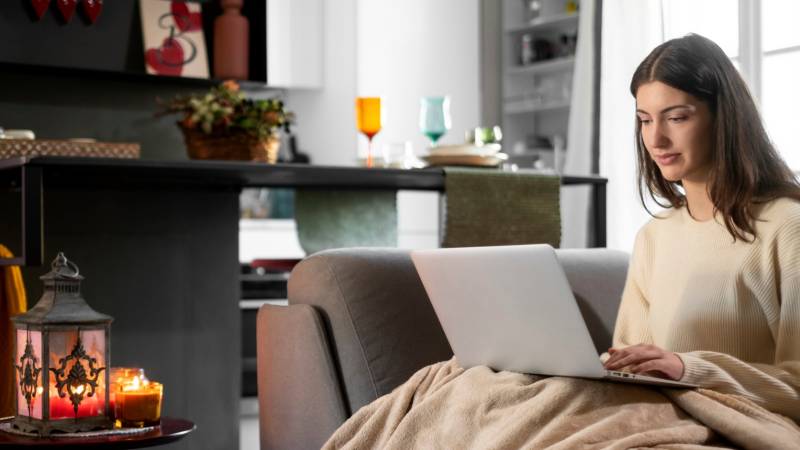
A comfortable home is not created by expensive furniture or luxury decorations alone. It comes from choosing the right colors, arranging furniture thoughtfully, keeping rooms organized, and adding details that reflect your personality. Whether you live in a small apartment in New York, a family house in Texas, or a modern home in California, simple improvements can make your living space more attractive and practical.
TheHometrotters Blog Home Ideas is a topic for homeowners and renters who want fresh inspiration for improving their surroundings. From modern interior styles to useful storage solutions, the right ideas can help you create a home that looks appealing while supporting your everyday routine.
You do not need to complete a major renovation to make a difference. A few carefully selected changes can refresh an entire room and make your home feel more welcoming.
Create a Welcoming First Impression
The entrance is the first area people notice when they visit your home. A clean and organized entryway can make the entire property feel more inviting.
Start by keeping shoes, coats, bags, and everyday accessories in suitable storage spaces. A small bench can provide a comfortable place to sit while putting on shoes. Wall hooks are useful for jackets and bags, especially in homes where several family members share the same entrance.
A decorative mirror can make a narrow entryway feel more open. You can also add a small plant, a simple wall picture, or a suitable table to introduce some personality.
Avoid placing too many decorations near the entrance. Keeping this area clear makes it easier to move around and maintain a neat appearance.
Choose an Interior Style That Reflects Your Personality
Home decoration should reflect the people who live in the space. Some homeowners prefer modern interiors with clean lines and simple furniture, while others enjoy traditional designs with warm colors and detailed decorations.
Before purchasing new items, decide what atmosphere you want to create. Neutral colors, natural materials, and simple furniture can produce a calm appearance. If you enjoy a more colorful environment, introduce brighter shades through artwork, cushions, rugs, and decorative accessories.
You can also combine different design influences. For example, wooden furniture can look attractive alongside modern lighting and contemporary fabrics.
The most important thing is consistency. Choose a few colors and materials that work together instead of filling every room with unrelated decorative pieces.
Make Small Rooms Feel More Spacious
Limited space is a common challenge for people living in apartments and smaller houses across the United States. However, smart furniture choices and thoughtful arrangements can make a room feel more comfortable.
Choose furniture according to the size of the room. Large sofas and oversized tables may look impressive in a showroom, but they can make a small living area feel crowded.
Multi purpose furniture is a practical option. Storage ottomans, sofa beds, folding tables, and beds with drawers can provide additional functionality without requiring more floor space.
Use wall shelves to store books and display decorations. Mirrors can also reflect natural light and create a greater sense of openness.
Most importantly, avoid unnecessary furniture. Leaving some areas open can improve movement and make the room feel less restricted.
Bring Natural Light Into Your Home
Natural light can make an interior feel brighter, fresher, and more welcoming. If your rooms have windows, avoid blocking them with heavy furniture or unnecessary decorations.
Choose curtains that allow daylight to enter while still providing privacy. Light colored window treatments can work particularly well in smaller rooms.
For areas with limited natural light, use a combination of ceiling lights, floor lamps, and table lamps. This approach creates a more balanced environment than depending on one strong light source.
LED lighting is another useful option for American households. These bulbs generally use less electricity than traditional incandescent bulbs and are available in different brightness levels and color temperatures.
Good lighting should support the activities performed in each room. A kitchen needs clear task lighting, while a bedroom may benefit from softer evening illumination.
Give Your Living Room a Fresh Look
The living room is often the center of family activities. It may be used for watching television, entertaining visitors, reading, or simply relaxing after work.
Start by arranging the furniture to support these activities. Keep enough space between seating areas so people can move comfortably. If the room is used for conversations, position chairs and sofas so everyone can interact easily.
A suitable rug can help define the seating area. Decorative cushions and throws can introduce new colors without requiring expensive furniture replacements.
Wall decoration also plays an important role. Family photographs, framed artwork, or a simple feature wall can make the room feel more personal.
Avoid displaying too many small decorative objects. A few carefully selected pieces often create a cleaner and more attractive appearance.
Organize Your Kitchen for Everyday Use
A well organized kitchen can save time and make meal preparation easier. Since this room is used frequently, practical storage should be a priority.
Keep everyday cooking tools close to the main preparation area. Arrange similar items together and use cabinet organizers to make better use of available space.
Clear countertops can give the kitchen a more spacious appearance. Store appliances that are not used regularly and keep frequently needed items within easy reach.
You can improve the appearance of your kitchen with simple updates. New cabinet handles, matching storage containers, clean dish towels, and suitable lighting can refresh the space without a complete renovation.
For busy American households, planning meals and organizing groceries can also make the kitchen more functional. A simple weekly meal plan can help reduce unnecessary shopping and food waste.
Make Your Bedroom a Relaxing Space
A bedroom should feel comfortable and peaceful. Since it is mainly used for rest, avoid filling it with furniture and decorations that do not serve a purpose.
Choose bedding that suits your comfort preferences and the local climate. Breathable fabrics can be useful during warm summers, while additional blankets may be needed during colder months.
Keep bedside tables organized and use storage solutions for clothing and personal belongings. Soft lamps can create a relaxing atmosphere in the evening.
If you work from home, try to keep your sleeping area separate from your workspace. This can help maintain a clearer distinction between daily responsibilities and relaxation.
Add Beauty to Outdoor Living Areas
Outdoor spaces can provide additional room for relaxation and entertainment. Even a small balcony or patio can become an attractive extension of your home.
For a simple patio arrangement, choose comfortable outdoor seating, a small table, and a few suitable plants. Weather resistant materials are important because outdoor furniture must handle changing conditions.
Homeowners with larger backyards can create separate areas for gardening, dining, and family activities. A clear pathway can connect these spaces and improve the overall layout.
In warmer parts of the United States, shade structures and outdoor fans may improve comfort during summer. In colder regions, seasonal furniture storage can help protect outdoor items.
Keep the design practical and select decorations that suit the size of your outdoor area.
Use Storage Ideas to Reduce Clutter
Clutter can make even a beautifully decorated home feel uncomfortable. Good storage helps keep everyday belongings organized and makes cleaning easier.
Use baskets for blankets, shelves for books, and drawer organizers for smaller items. In bedrooms, under bed storage can provide extra space without adding another large piece of furniture.
Closets can also become more useful with hanging organizers and clearly arranged sections. Store seasonal clothing separately so frequently used items remain easy to find.
Try to review your belongings occasionally. Donate or recycle items that are no longer useful when possible. Keeping only what you need can make your home easier to manage.
Make Home Improvements Without Overspending
A beautiful home does not require a large renovation budget. Many improvements can be completed gradually as your time and finances allow.
Painting a wall, replacing old curtains, updating cabinet handles, or rearranging furniture can change the appearance of a room. Before purchasing anything, consider whether the item will solve a problem or simply add more clutter.
For larger projects, compare material prices and professional estimates. Work involving electrical systems, plumbing, or structural changes should be handled by qualified professionals when required.
Planning ahead can prevent unexpected expenses and help you focus on improvements that provide lasting value.
Final Thoughts
Creating a beautiful home is about finding the right balance between appearance, comfort, and everyday usefulness. Small design changes, better storage, natural lighting, and thoughtful furniture arrangements can improve almost any living space.
TheHometrotters Blog Home Ideas encourages a practical approach to home improvement. Instead of following every decorating trend, choose solutions that match your lifestyle, available space, and budget.
Start with one room or one small project. As you make gradual improvements, your home can become more organized, attractive, and comfortable for everyone who lives there. Click here see more.